
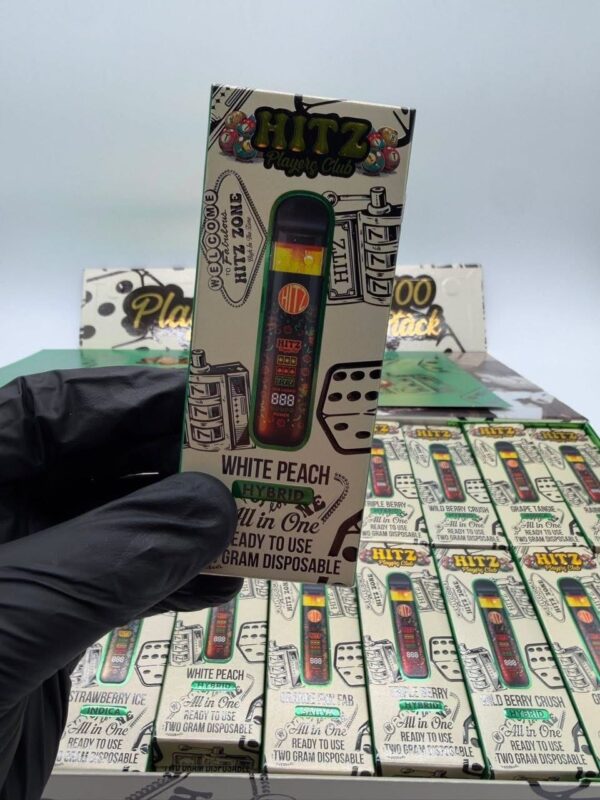

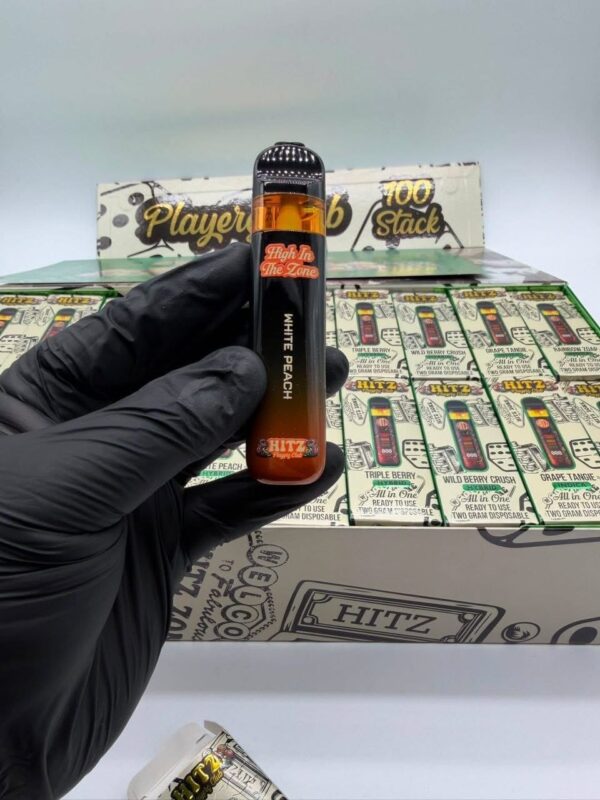





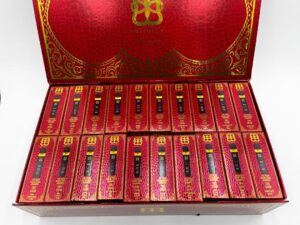
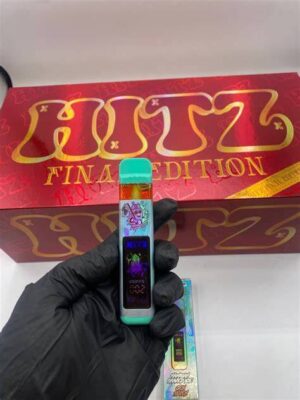
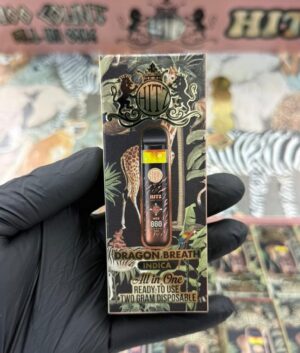
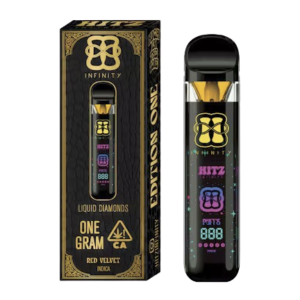
HITZ PLAYERS CLUB EDITION 2G DISPOSABLE
Hitz players club disposable is an all-in-one cannabis vaping device offering two grams of disposable, integrated rechargeable batteries, and distinct fruit-forward flavor profiles that capture modern consumer interest in portable convenience.
Hitz 2g disposable Players Club Edition incorporates ceramic coil technology as its primary heating mechanism. Hitz 2g new flavors is intended to maintain specific temperature thresholds, which can reduce the likelihood of overheated vapor and aim for consistent production throughout the device’s two-gram capacity. Powered by a rechargeable battery with Type-C USB connectivity, the hardware is designed to function until the internal reservoir is depleted. The inhale-activated system provides a button-free interface for users seeking a streamlined format.
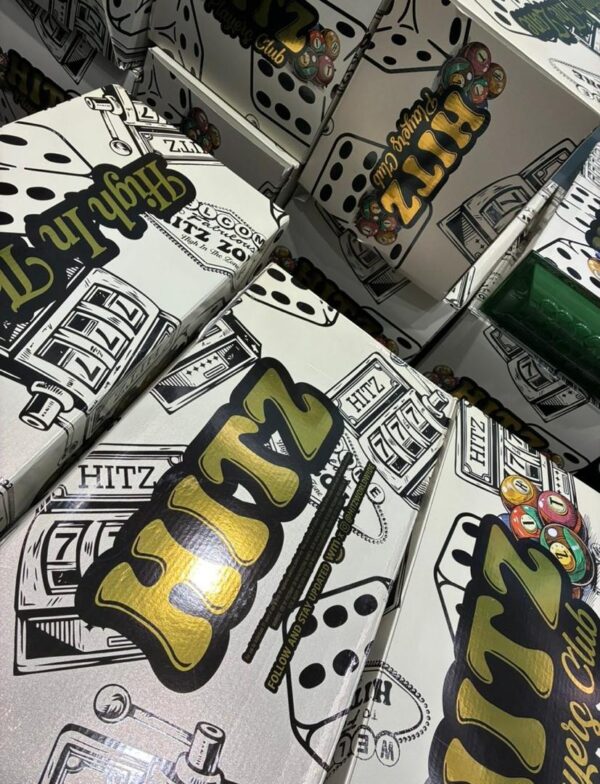
Hitz 2G Disposable Players Club Edition
The Hitz 2G Disposable Players Club Edition refers to a Players Club-branded disposable format with a nominal 2-gram capacity Hitz 2G Players Club edition.
From an informational perspective, the most important characteristics to check are device authenticity, ingredient disclosure, manufacturing information, batch identification, and independent laboratory documentation where available.
2 Gram Disposable
A 2 Gram Disposable typically describes a vaping device containing approximately two grams of internal vape material.
Capacity does not automatically indicate quality. Device construction, formulation consistency, heating behavior, storage conditions, and manufacturing controls are all important considerations.
2G Disposable
The term 2G Disposable is simply a shortened form of two-gram disposable device.
A larger-capacity disposable may remain in use longer than smaller formats, so proper storage becomes especially important. Excessive heat, direct sunlight, and physical damage can affect both the internal material and the electronic components.
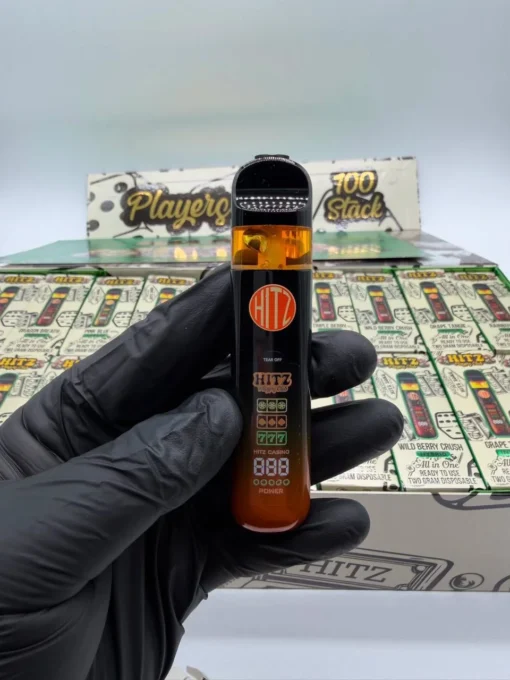
Disposable Vape
A Disposable Vape is generally intended to be used as a self-contained device rather than refilled repeatedly.
The battery, heating element, airflow pathway, and reservoir are built into the unit. Once the device reaches the end of its usable life, it should be disposed of according to local electronic-waste and battery regulations.
Disposable Vaping Device
A Disposable Vaping Device combines several components into one compact housing.
These commonly include a battery, heating coil, reservoir, airflow path, and mouthpiece. The user should avoid opening or modifying the internal structure because damaged lithium-ion batteries or heating components can create safety risks.
Hitz 2G Disposable
The Hitz 2G Disposable designation describes the larger-capacity disposable format within the Hitz product family.
The device should be inspected before use. Cracks, leaking material, a damaged mouthpiece, swelling, unusual heat, or strong chemical odors are reasons to stop using the device.
Hitz 2G Vape
The Hitz 2G Vape is best evaluated by examining authenticity and condition rather than packaging appearance alone.
Counterfeit or unverified vaping products can present additional risks because their ingredients, hardware, and manufacturing controls may be unknown.
Hitz Disposable
A Hitz Disposable is designed as an integrated vaping unit.
Because disposable devices contain both electronic and consumable components, they should be stored upright where practical, protected from heat, and kept away from children and pets.
Hitz Players Club
The Hitz Players Club name identifies the Players Club-themed product line or edition.
Branding should not be treated as proof of authenticity by itself. Packaging codes, batch details, laboratory information, and manufacturer verification are more reliable indicators.
Hitz Players Club 2G
The Hitz Players Club 2G format combines Players Club branding with a two-gram disposable configuration.
For informational comparison, the most relevant factors include capacity, device integrity, heating consistency, ingredient transparency, and product verification.
Hitz Players Club 2G Disposable
The Hitz Players Club 2G Disposable is a self-contained device intended to operate without a separate external tank or traditional vape mod.
The internal components should not be punctured, opened, or exposed to excessive temperatures.
Hitz Players Club Disposable
A Hitz Players Club Disposable should be handled similarly to other lithium-powered disposable vape devices.
It should not be left inside a hot vehicle, exposed to flames, submerged in water, or crushed.
If the device becomes unusually hot, use should stop immediately.
Hitz Players Club Vape
The Hitz Players Club Vape should be evaluated with particular attention to product transparency.
Where laboratory documentation is available, it can help users understand cannabinoid content and whether testing for contaminants such as residual solvents, pesticides, heavy metals, or microbial contamination was performed.
Hitz Vape
A Hitz Vape is part of a broader disposable vaping category.
Device quality can depend on manufacturing tolerances, battery condition, airflow design, heating-element performance, and the consistency of the internal formulation.
Therefore, two devices with similar external packaging may not necessarily perform identically.
Hitz Vape Device
The Hitz Vape Device integrates electrical and heating components in a compact enclosure.
The device should not be disassembled or modified. Damaging the battery can create fire or thermal risks, while tampering with the heating system can alter normal operation.
Players Club Disposable
A Players Club Disposable is primarily distinguished by its themed branding and disposable format.
The most important practical considerations remain authenticity, physical condition, storage, ingredient transparency, and responsible disposal.
Why Device Condition Matters
Physical condition is important because disposable vaping devices contain both a battery and an internal reservoir.
A cracked housing, leaking material, blocked airflow path, or damaged mouthpiece can indicate that the device should not be used.
Similarly, swelling or overheating may indicate a battery problem and should be treated seriously.
How the Device Generally Works
Disposable vape devices typically use a small battery to power a heating element.
When activated, the heating element warms the internal material sufficiently to create an aerosol.
Because hardware configurations differ, the specific activation method should be confirmed from the product packaging or manufacturer information rather than assumed.
Where It Should Be Stored
The device should be stored in a cool, dry place away from direct sunlight, high temperatures, open flames, and moisture.
It should also be kept out of reach of children and pets.
Long periods in extreme heat can damage the battery and can also change the condition of the material inside the device.
When a Device Should Not Be Used
A disposable vape should not be used if it is leaking heavily, cracked, swollen, excessively hot, badly damaged, or producing unusual odors.
Use should also stop if the device develops obvious electrical problems.
Damaged lithium-powered products should be handled according to appropriate local battery-disposal guidance.
Why Authenticity Verification Is Important
Authenticity matters because counterfeit vaping products may use unknown ingredients or poorly manufactured hardware.
Packaging alone is not always sufficient verification.
Batch numbers, manufacturer information, scannable verification codes, tamper-evident packaging, and laboratory documentation can provide stronger evidence of product origin.
Important Information
Cannabis vaping products can carry health and legal risks. People who are pregnant, underage, sensitive to cannabinoids, or required to avoid intoxicating substances should not use them.
Cannabis can impair judgment, coordination, reaction time, and driving ability. It should not be used before driving or operating machinery.
The safest approach is to verify the device’s origin, read the packaging carefully, review laboratory information where available, avoid modified or damaged devices, and follow all applicable local laws.
Device Construction, Battery Care, Storage Stability, Authenticity Checks, and Responsible Handling
Integrated Device Construction
A disposable vaping unit combines several components inside a single enclosure.
These normally include a battery, internal reservoir, heating element, airflow channel, mouthpiece, and electronic control system.
Because the components are built together, the device is not intended to be opened, rebuilt, or modified.
Damage to the housing can affect both the electrical system and the internal material.
For that reason, the exterior should be inspected regularly for cracks, loose parts, leakage, or signs of deformation.
Battery Condition
The internal battery is one of the most important safety components in the device.
It should remain cool during storage and normal operation.
If the housing begins to swell, becomes unusually hot, produces a burning smell, or shows signs of physical damage, use should stop immediately.
The device should never be crushed, punctured, burned, or placed near an open flame.
Lithium-based batteries can become hazardous if they are damaged or exposed to excessive heat.
Why Heat Protection Matters
High temperatures can affect both the battery and the material inside the device.
Leaving the unit inside a closed vehicle, beside a heater, or in direct sunlight for long periods can increase internal temperature significantly.
Heat can also alter viscosity, encourage leakage, and place additional stress on seals.
Therefore, storage in a cool and dry environment is preferable.
Temperature stability helps preserve the physical condition of both the device and its internal components.
Moisture Protection
Moisture can interfere with electrical components and contribute to corrosion.
The device should not be submerged in water or stored in a damp environment.
If it becomes wet, it should not be opened or aggressively dried using direct heat.
Instead, it should be kept away from electrical charging equipment and handled cautiously.
Any device showing unusual behavior after moisture exposure should no longer be used.
Mouthpiece Condition
The mouthpiece should remain clean and free from visible cracks or obstruction.
Dust, lint, and debris can collect around the opening during storage.
The device should therefore be kept in a clean environment, especially when carried in a pocket, bag, or case.
If the mouthpiece becomes damaged or contaminated, forcing objects into the airflow channel should be avoided because internal components can be damaged.
Airflow Consistency
Airflow should remain reasonably consistent throughout the usable life of the device.
A sudden change can result from residue, internal leakage, device damage, or contamination around the mouthpiece.
If airflow becomes severely restricted, the device should not be dismantled in an attempt to repair it.
Opening the enclosure can expose the battery and internal material.
External inspection is safer than unauthorized internal modification.
Leakage Inspection
Small amounts of residue may occasionally appear around certain disposable devices, but significant leakage should be treated as a warning sign.
The exterior should be checked before handling or storing the unit.
If substantial material escapes from the housing, the device should not continue to be used.
Leaking material should be kept away from skin, children, pets, and fabrics.
Hands should be washed after accidental contact.
Storage Position
Keeping the device upright where practical can reduce unnecessary movement of the internal material.
Although exact internal designs vary, stable storage may help reduce leakage around the mouthpiece or airflow system.
The device should also be stored where it cannot fall, become crushed, or be exposed to sharp objects.
A stable shelf, container, or protective compartment is generally more appropriate than loose storage.
Authenticity Examination
External branding alone should never be considered proof of authenticity.
Counterfeit products can imitate logos, packaging colors, fonts, and visual designs.
More reliable indicators may include batch identification, tamper-evident packaging, manufacturer information, verification codes, and traceable laboratory documentation.
If important identifying information is missing or appears altered, the product should be treated cautiously.
Batch Information
Batch numbers help connect an individual product with manufacturing and testing records.
Where batch information is provided, it should be readable and consistent across the packaging and any laboratory documentation.
Missing or mismatched information can make verification difficult.
Consumers should also be cautious when labels appear damaged, replaced, covered, or poorly printed.
Reliable traceability is an important part of responsible product identification.
Laboratory Documentation
Independent laboratory documentation can provide information about the material inside the device.
Depending on the jurisdiction and testing program, reports may include cannabinoid concentrations and screening for pesticides, residual solvents, heavy metals, microbial contamination, or other substances.
A laboratory report should correspond to the correct batch.
A generic report that cannot be linked to the specific product provides less meaningful verification.
Ingredient Transparency
Clear ingredient information helps users understand what a product contains.
Vague or incomplete labeling makes informed evaluation more difficult.
Products containing unknown additives, undisclosed substances, or questionable ingredients should be approached with caution.
This is especially important with inhaled products because materials introduced into the lungs may behave differently from substances used in food or topical products.
Signs of Abnormal Operation
A device should not produce strong burning odors, unusual electrical noises, extreme heat, visible smoke from the housing, or battery swelling.
These are signs that normal operation may have been compromised.
Repeatedly attempting to activate a damaged device can increase risk.
If the unit behaves unpredictably, the safest response is to stop using it and follow appropriate battery or electronic-waste disposal procedures.
Physical Damage
Dropping a disposable device can damage internal components even when the exterior appears mostly intact.
After a significant impact, the housing, mouthpiece, and connection areas should be inspected carefully.
Cracks, movement inside the casing, leakage, or abnormal heat should be treated as warning signs.
A device that has been crushed or badly damaged should not be tested repeatedly to determine whether it still works.
Children and Pets
Disposable vaping products should always be stored out of reach of children and pets.
The internal material may be harmful if swallowed, while small parts can create choking hazards.
In addition, the battery itself can become dangerous if chewed, punctured, or damaged.
Secure storage is therefore an important safety measure even when the device is not being used.
Responsible Transport
During transport, the device should be protected from crushing, heat, moisture, and accidental damage.
It should not be placed loose beside keys, tools, or sharp objects.
Local laws may also restrict where cannabis-related products can be carried.
For air travel or international transport, applicable aviation, customs, and controlled-substance rules should be checked beforehand because restrictions can differ significantly.
Responsible Disposable
Disposable vaping products contain electronic components and batteries, so they should not automatically be treated as ordinary household waste.
Local electronic-waste or battery-recycling programs may provide appropriate disposal options.
The unit should not be burned, punctured, or intentionally broken apart.
Disposal rules vary by region, so local guidance should be followed.
Long-Term Storage Considerations
Disposable devices are generally intended for relatively short-term use rather than indefinite storage.
Over time, battery performance, seals, and internal material can change.
The device should therefore be checked for expiration information, manufacturing dates, or storage instructions where these are provided.
Older units showing leakage, swelling, corrosion, or abnormal odor should not be used.
Health and Impairment Awareness
Cannabis-containing vaping products can affect attention, coordination, reaction time, and judgment.
They should not be used before driving, operating machinery, or performing activities that require full concentration.
Effects can also vary between individuals and between products.
People who are pregnant, underage, or advised to avoid cannabinoids should not use them.
Long-Term Responsible Handling
Long-term responsible handling depends on maintaining device integrity, protecting the battery, avoiding excessive heat, checking for leakage, verifying product authenticity, and following local laws.
Changes in airflow, temperature, odor, appearance, or battery condition should not be ignored.
The device should never be modified to alter its electrical or heating behavior.
When stored carefully, kept away from children and pets, verified where possible, and disposed of through appropriate channels, the risks associated with physical device failure and improper handling can be reduced.
Reviews
There are no reviews yet.